

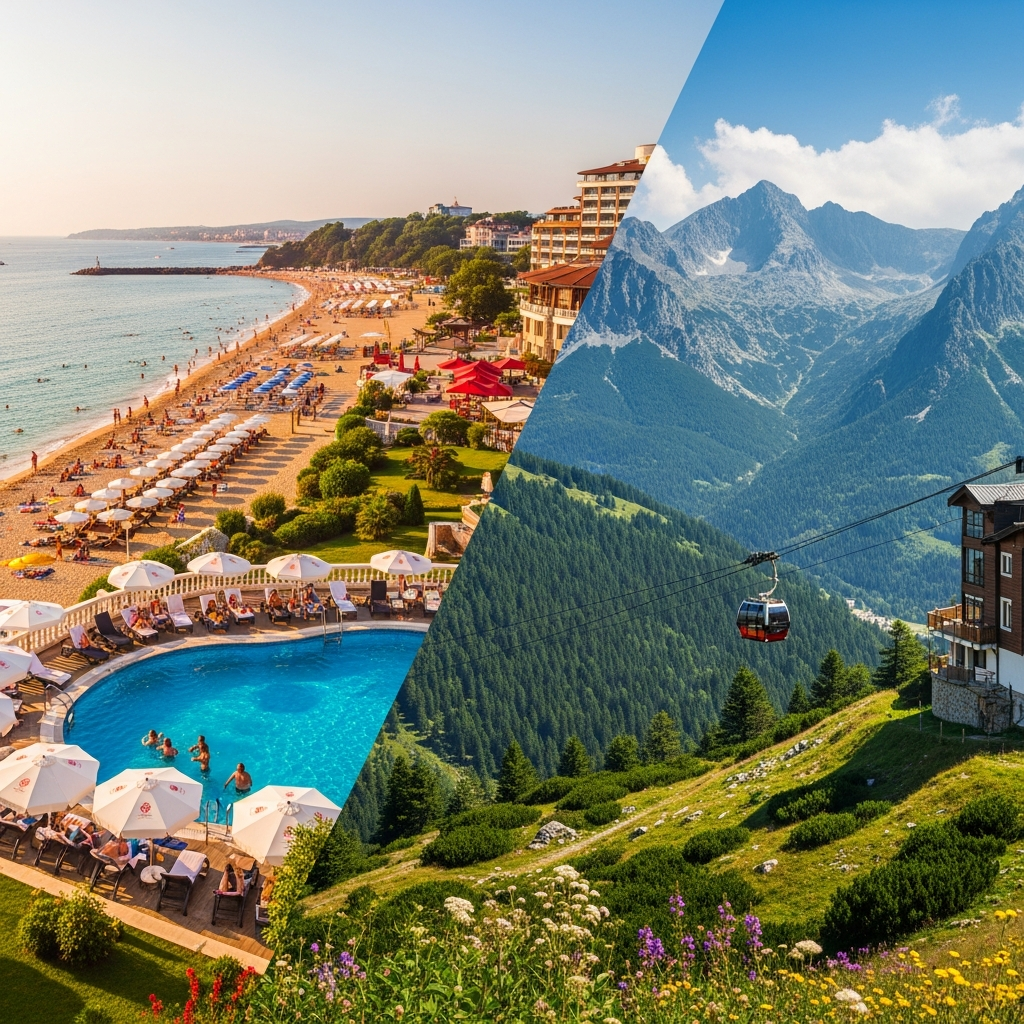
A Record-Breaking Year for Bulgarian Tourism
The Bulgarian tourism and hospitality sector is experiencing an unprecedented surge, marking 2024 as its most successful year on record. This remarkable trend highlights Bulgaria’s tourism growth, which is evident across its diverse landscapes, from the sun-drenched Black Sea coast to its majestic mountain ranges. Recent data paints a clear picture of success, with the country welcoming a record-breaking 10.7 million foreign visitors in the first three quarters alone, surpassing pre-pandemic figures.
This influx of international visitors is translating into significant economic benefits, with projected tourism revenues expected to reach an impressive €7 billion. The growth is not accidental but the result of strategic positioning, increased foreign interest, and a commitment to enhancing visitor experiences across the country.
Spotlight on the Black Sea: Coastal Tourism Thrives
Bulgaria’s coastal regions, including famous resorts like Sunny Beach, Golden Sands, and Varna, remain the primary magnets for international travelers. During the summer of 2024, these areas saw exceptionally high occupancy rates, largely driven by visitors from outside Bulgaria. While there was a slight decrease in domestic tourists, the boom in foreign arrivals more than compensated for this shift.
Key Drivers of Coastal Success
Several factors are contributing to the prosperity of the coastal hospitality sector:
- High-End Accommodations: A significant majority of foreign tourists, around 75%, are opting for 4 and 5-star hotels, boosting revenue for premium establishments.
- International Appeal: The Black Sea coast has solidified its reputation as a top-tier European summer destination, offering excellent value without compromising on quality.
- Sustained Demand: Despite shifts in domestic travel patterns, the international demand for Bulgarian beach holidays continues its strong upward trajectory.
The Rise of the Mountains: More Than Just Skiing
While the coast shines in the summer, Bulgaria’s mountain regions are rapidly becoming year-round destinations. World-class ski resorts like Bansko, Borovets, and Pamporovo are reporting strong bookings for the winter season, buoyed by excellent snow conditions and ongoing infrastructure improvements. This demonstrates that Bulgaria’s tourism growth is a nationwide phenomenon.
Diversifying the Mountain Appeal
The success of mountain tourism extends beyond the ski slopes. There is a growing emphasis on diversification, which is attracting a new demographic of travelers:
- Eco-Tourism: Areas such as the Rhodope and Pirin Mountains are gaining popularity for hiking, nature-watching, and sustainable tourism, expanding the travel season well into the spring and autumn.
- Adventure and Wellness: The development of eco-lodges, wellness retreats, and adventure camps is broadening the appeal of the mountainous interior.
- Investment in New Areas: Focus is shifting towards developing lesser-known regions, fostering sustainable tourism that benefits local communities and preserves natural beauty.
Key Trends Shaping Bulgaria’s Hospitality Sector
The evolution of Bulgaria’s hospitality industry is marked by several key trends. Boutique and lifestyle hotels are on the rise in cultural hubs like Sofia and Plovdiv, offering unique, personalized experiences. Furthermore, the sector is embracing digital transformation, using smart technology and AI to enhance guest services. A strong push towards sustainability, including green certifications and eco-friendly practices, is also becoming a core part of the industry’s identity.
The Road Ahead: Challenges and Opportunities
Looking forward, Bulgaria is well-positioned for continued success. The country’s recent integration into the Schengen area is expected to boost arrivals from other European nations significantly. However, challenges remain, including stiff competition from neighboring countries and the need for continued infrastructure investment, particularly in developing rural areas. By addressing these challenges and capitalizing on its diverse offerings, Bulgaria can ensure its tourism growth remains robust and sustainable for years to come.