

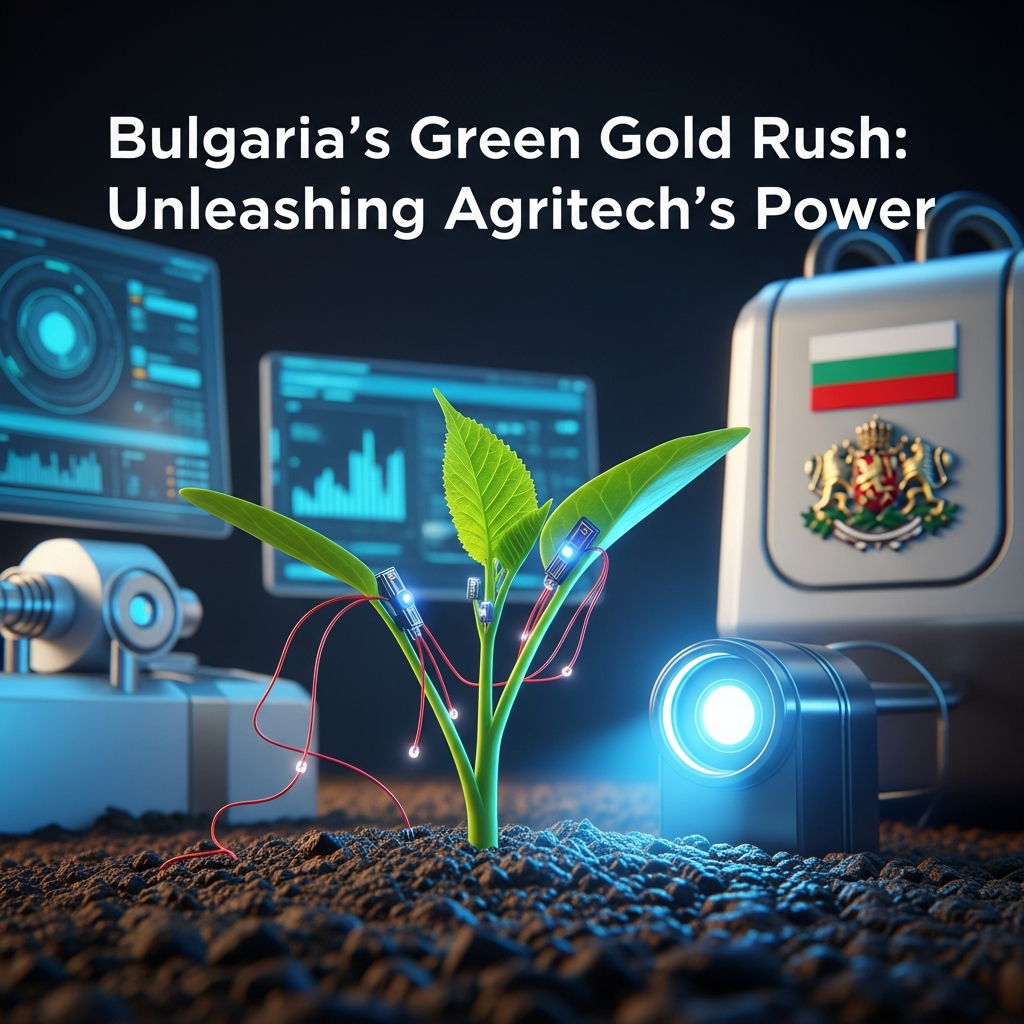
The Rise of Agritech in Bulgaria
Bulgaria is steadily emerging as a fertile ground for agricultural technology, positioning itself as a key player in Southeast Europe. The burgeoning Bulgaria agritech sector is leveraging the nation’s rich farming heritage and a growing pool of tech talent to drive significant innovation. While the industry is still young, it is characterized by rapid growth, supported by new investments and dedicated foodtech accelerators aimed at scaling up promising startups.
Key Innovations and Startups
Innovation in Bulgarian agriculture is centered on digitalization and data. Startups are introducing advanced solutions to solve long-standing farming challenges:
- Automation: Companies like Smart Farm Robotix are developing autonomous, solar-powered robots for tasks such as weeding, which promises to boost efficiency and reduce reliance on manual labor.
- Data Analytics: The use of IoT, AI, and data analytics is helping farmers make more informed decisions, optimize resource usage, and increase yields.
- FoodTech Accelerators: Initiatives like Future Verticals are crucial for nurturing the ecosystem, providing mentorship and funding to early-stage companies focused on novel foods and sustainable farming solutions.
Transforming the Food Processing Industry
Bulgaria’s food processing industry is a cornerstone of its economy, traditionally strong in cereals, oilseeds, dairy, and unique products like rose and lavender oil. Today, the sector is undergoing a modern transformation, driven by new consumer demands and export opportunities.
Opportunities in Value-Added Products
The global demand for healthy and sustainable food is creating new avenues for Bulgarian producers. There is a marked shift towards:
- Organic and Functional Foods: Leveraging its clean soil and favorable climate, Bulgaria is expanding its production of organic fruits, vegetables, and grains.
- Plant-Based Products: The interest in plant-based diets has opened up markets for innovative food products derived from local crops.
- Specialty Goods: High-quality honey, herbs, and fermented foods are gaining international recognition, adding significant value to raw agricultural products.
Upgrading the Agricultural Value Chain
Modernizing the entire agricultural value chain—from farm to table—is essential for competitiveness. Bulgaria is making strides in improving efficiency, sustainability, and integration. The adoption of precision agriculture, drone technology, and advanced logistics helps reduce costs and minimize environmental impact. Furthermore, a stronger focus on coordinating efforts between farmers, processors, and exporters is enhancing Bulgaria’s position in global markets.
The Role of EU Funding and Support
Access to European Union funding has been a powerful catalyst for the modernization of Bulgarian agriculture. Support from the EU provides critical resources for farmers and food processors to invest in new technology and sustainable practices. The Bulgaria’s Common Agricultural Policy (CAP) Strategic Plan is instrumental in this process, aiming to ensure viable farm incomes, promote environmental sustainability, and support rural communities.
Key Challenges Facing the Sector
Despite its significant potential, the sector faces several hurdles. An aging rural population and fragmented land ownership can make it difficult to implement large-scale, modern farming techniques. Additionally, climate change presents increasing risks, from water scarcity to extreme weather events. Overcoming these challenges will require continued investment, strategic policy-making, and the widespread adoption of innovative technologies.
Conclusion: The Future of Bulgarian Agriculture
The future of Bulgaria agritech and food processing is bright. By blending its deep agricultural roots with cutting-edge technology and strategic EU support, the country is well-positioned for sustainable growth. Continued focus on innovation, value-chain upgrades, and overcoming structural challenges will be key to unlocking the sector’s full potential and establishing Bulgaria as a modern agricultural leader in the region.