

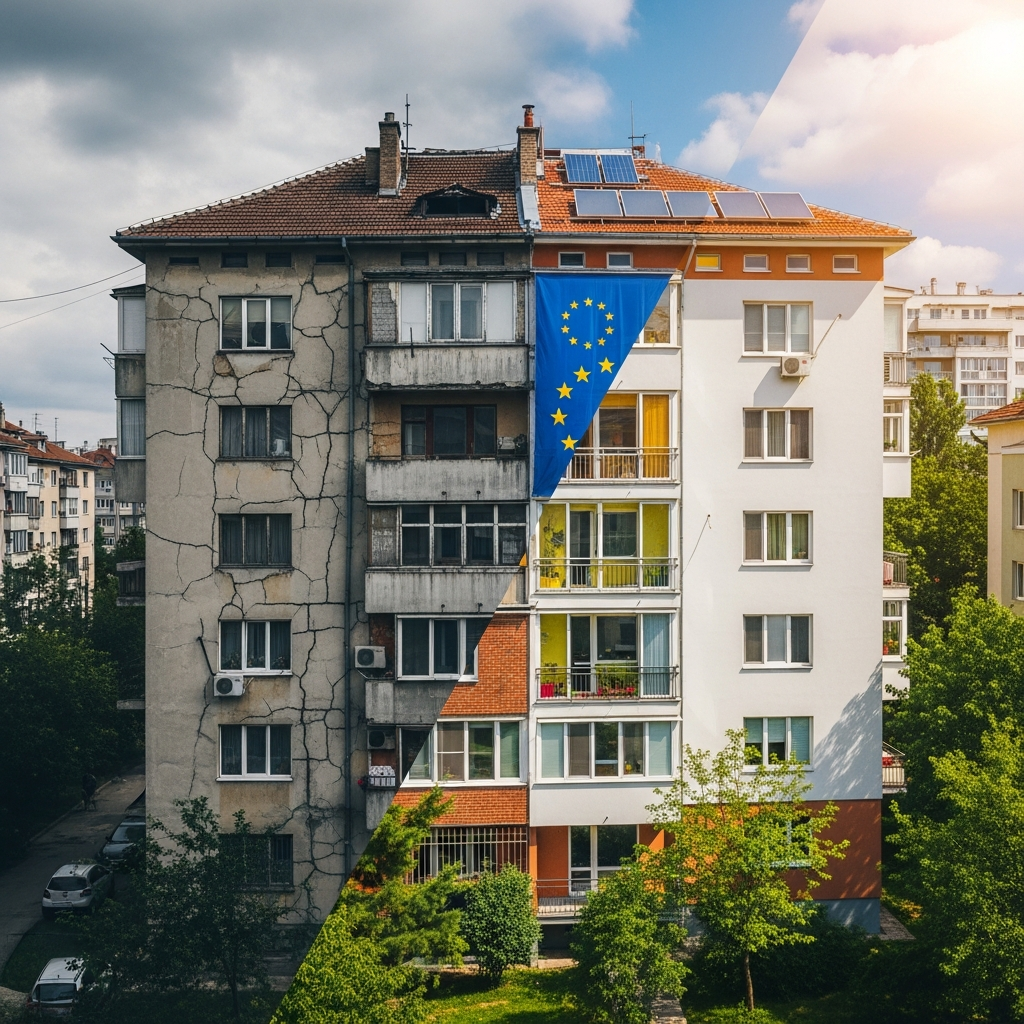
The Drive Towards a Greener Bulgaria: An Overview
Bulgaria is making significant strides towards a sustainable future, driven by ambitious national goals and substantial European Union support. A central part of this green transition is improving the energy efficiency of the country’s building stock. For homeowners, associations, and businesses, this presents a golden opportunity. Understanding the available energy efficiency funding in Bulgaria is the first step toward creating more sustainable, cost-effective, and comfortable living and working spaces.
These programmes aim to reduce energy consumption, lower carbon emissions, and decrease reliance on fossil fuels. From large-scale residential renovations to specific upgrades in commercial properties, a mix of grants, loans, and technical assistance is available.
Key EU Funding Programmes for Energy Efficiency
The European Union is the primary financial engine behind Bulgaria’s renovation wave. Several key instruments are channeling funds into projects that promise significant energy savings and environmental benefits.
Bulgaria’s Recovery and Resilience Plan (RRP)
The cornerstone of the current funding landscape is Bulgaria’s Recovery and Resilience Plan (RRP). Under this plan, a massive €879 million is specifically allocated for a nationwide scheme to renovate residential, public, and commercial buildings. The primary goal is ambitious yet clear: to achieve an average primary energy demand reduction of at least 30% in renovated buildings.
Key features of the RRP include:
- Comprehensive Scope: The plan covers multi-family residential buildings, state and municipal properties, and commercial or industrial buildings.
- Significant Investment: The programme aims to renovate a minimum of 3.6 million square meters of residential building space.
- Clear Deadlines: Most projects funded under the RRP are expected to be completed by mid-2026, creating a sense of urgency and opportunity.
The Just Transition Fund (JTF)
For regions historically dependent on coal and carbon-intensive industries, the Just Transition Fund (JTF) provides targeted support. With an allocation of over €800 million for Bulgaria, the JTF helps ensure that the green transition is fair and inclusive. A portion of this funding is directed towards energy efficiency measures in public buildings and SMEs within these specific regions, supporting both economic diversification and environmental goals.
National Initiatives and Financial Mechanisms
Complementing the direct EU funding, Bulgaria has established its own mechanisms to streamline and support the renovation process.
The National Decarbonization Fund
Set to replace the older Energy Efficiency Fund, the new National Decarbonization Fund is poised to become the central financial body for supporting the building sector. It is designed as a “one-stop shop” for applicants, providing:
- Pooled funding from various sources, including EU programs, state budgets, and international donors.
- Technical assistance to help applicants navigate the process.
- A single point of contact for financing energy efficiency and renewable energy projects.
EBRD and InvestEU Programme Support
The European Bank for Reconstruction and Development (EBRD), through the InvestEU Programme, plays a crucial role in unlocking private financing. By providing guarantees to local financial institutions, the EBRD makes it easier and less risky for banks to offer loans for green projects. This initiative helps bridge funding gaps for private individuals, homeowner associations, and companies committed to improving their energy performance.
How to Access Funding for Your Renovation Project
While each programme has specific criteria, the general process for accessing funds follows a similar path. Applicants, whether they are homeowner associations or businesses, typically need to:
- Conduct an Energy Audit: A certified energy audit is usually the first step. It identifies the building’s current energy performance and outlines the most effective measures for improvement.
- Develop a Technical Project: Based on the audit, a detailed technical project must be prepared, outlining the specific renovation works, expected energy savings, and budget.
- Meet Eligibility Criteria: Applicants must meet the technical standards of the specific funding call, which often require achieving a certain class of energy efficiency (e.g., Class B or higher) and demonstrating significant energy savings.
- Submit a Formal Application: Applications are submitted through the designated portals during official calls for projects, which are announced by the relevant ministries.
Conclusion: Seizing the Opportunity for a Sustainable Future
The convergence of EU and state initiatives provides an unprecedented opportunity to modernize Bulgaria’s buildings. Accessing energy efficiency funding in Bulgaria not only contributes to national climate goals but also offers tangible benefits like lower utility bills, increased property value, and improved living comfort. By leveraging the Recovery and Resilience Plan and other available programmes, Bulgarians can invest in a more sustainable and economically secure future.